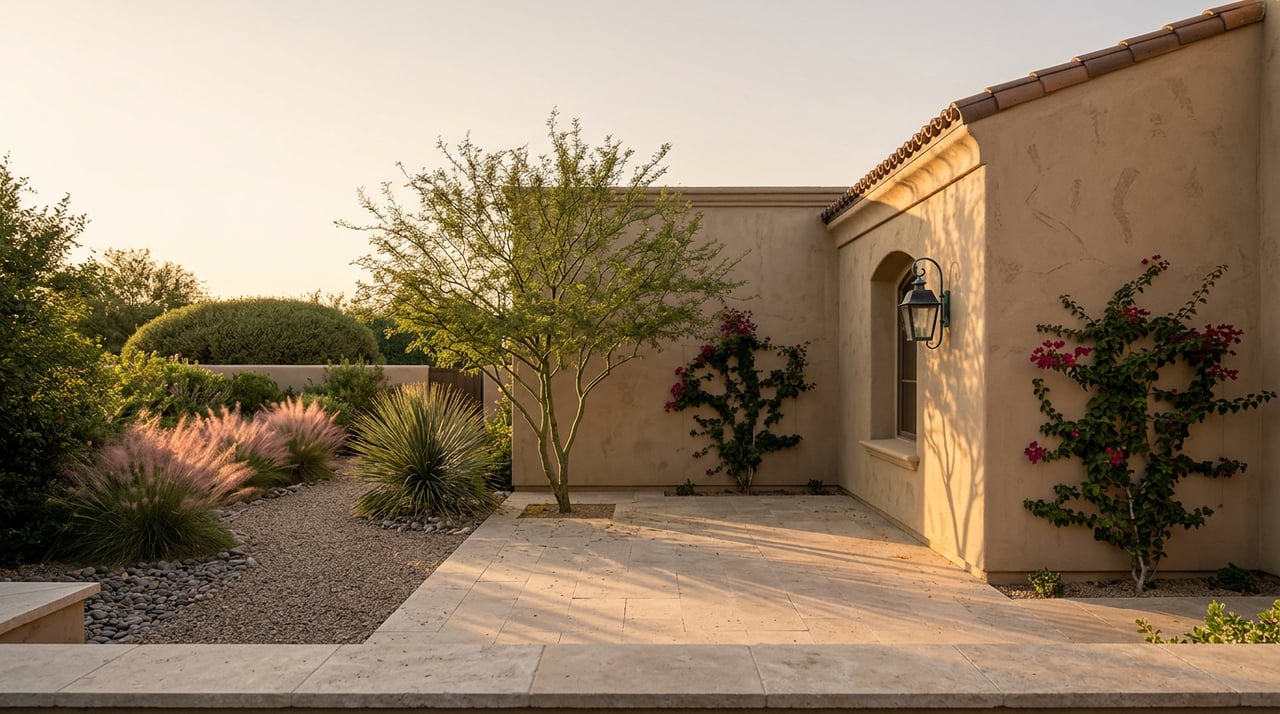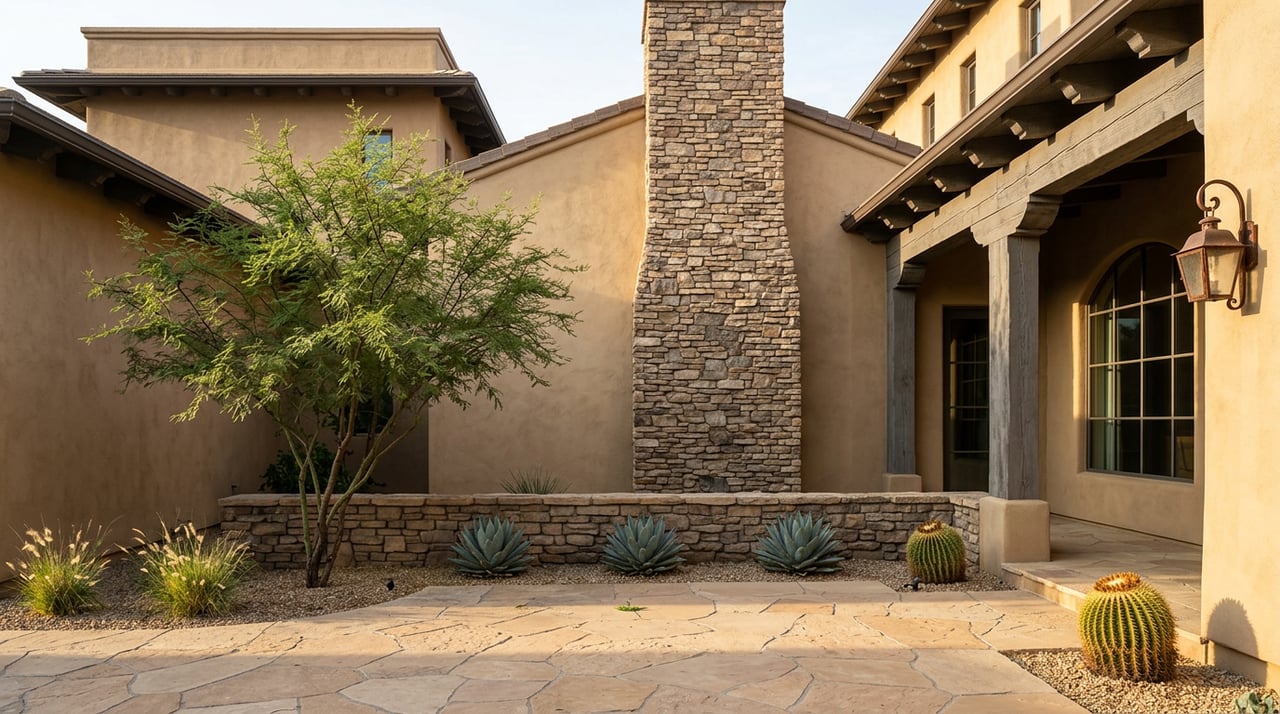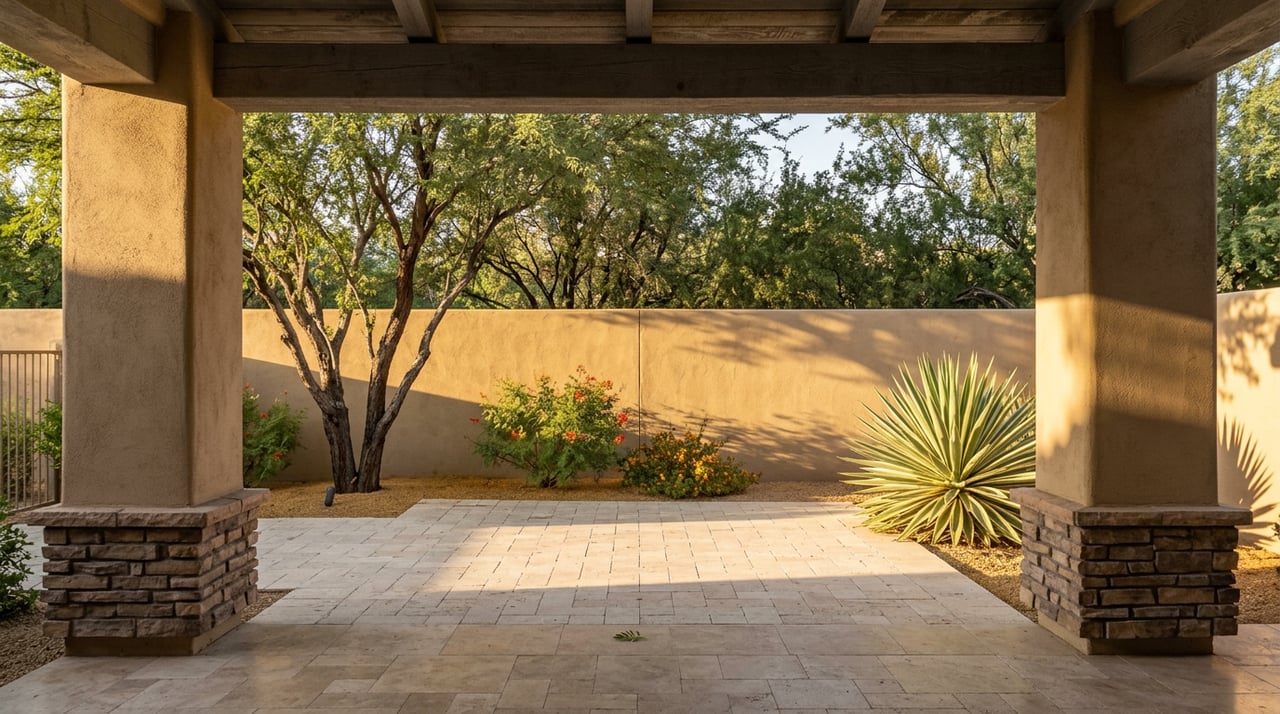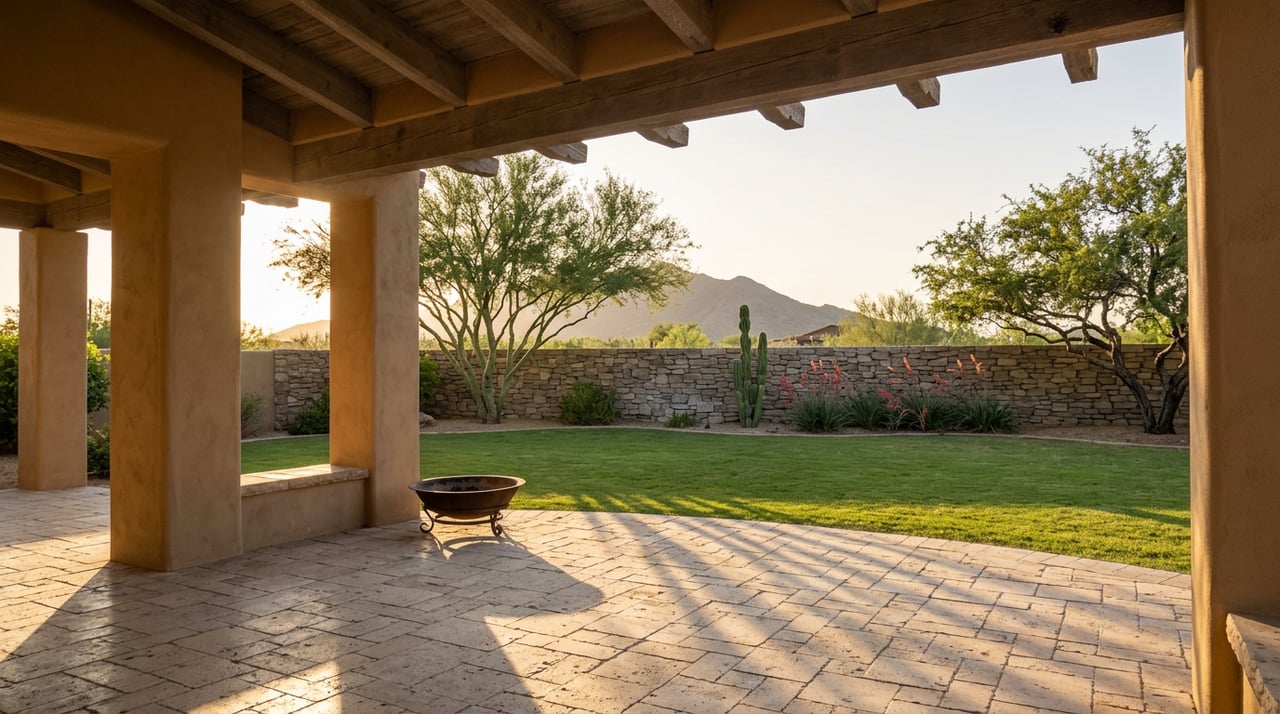
Six days from now, on September 15, the doors reopen on FireRock Country Club's clubhouse. If you have driven past the gates on Shea any time in the last twelve months, you already know that door has been closed a long time. What you may not know is that the club told its own members, in writing, that this would be finished by late 2025. It wasn't. The reopening that happens this month arrives roughly a year past the date FireRock itself announced when it broke ground.
That gap is worth sitting with for a moment, because it tells you something about how this club operates that the finished dining rooms and the new turf won't say on their own.
A Club Built by the People Who Play It
FireRock wasn't always answering only to its own residents. Developer MCO built the course in 1999, and it quickly earned recognition as one of the state's best new layouts. But in 2013, the membership bought the club outright and brought in Troon Privé to handle daily operations. That distinction matters more than it sounds like it should. A developer-owned club renovates on the developer's schedule, often as a sales amenity timed to a phase of new construction. A member-owned club renovates when the members who already live here vote to spend their own money on it, and answers to nobody else's calendar.
General Manager Tim Geesey framed the finished project as exactly that kind of statement. The new clubhouse, he said, shows FireRock is "ready for the future, without forgetting who we are." That's not a line you'd expect from a corporate regional office rolling out a standardized redesign across a portfolio of properties. It's the kind of thing you say when the people paying for the work are also the people who are going to eat dinner in it next Tuesday.
What the Old Top Floor Actually Looked Like
To understand what changed, it helps to know what was there before. A 2023 profile in the Fountain Hills Times described the prior clubhouse layout plainly: the top floor was dominated by two dining facilities and the pro shop, while downstairs held locker rooms, private lounges with their own bar and snacks, a co-ed gym, and an outdoor smoking patio with a fire pit. That was the extent of it. Two dining rooms, one shared upstairs floor, a functional but modest downstairs.
The math on the new version is simple but telling. Two dining rooms became three, each with its own name, its own menu logic, and its own reason to exist separately from the others.
Three Rooms, Three Very Different Nights
The club didn't just add square footage. It split the old all-purpose dining concept into three distinct spaces, each built around a different kind of evening:
- Trovo, from the Italian word for "gathering place," is the casual social hub. This is where you land for a drink, a wood-fired pizza, or a seat by the fire without needing an occasion.
- Z is the signature dining room, built around farm-raised beef, seasonal ingredients, and a wine cellar deep enough to reward lingering over a bottle rather than a glass.
- BNKR, pronounced "Bunker," sits tucked between the rebuilt Men's and Ladies' Lounges. It's the late-night room, built for craft cocktails and conversations that run past the point most dining rooms would be closing up.
That's a meaningfully different proposition than one shared upstairs floor trying to do all three jobs at once. If you wanted a quiet steak dinner and the table next to you was celebrating a birthday with a large group, the old layout gave you nowhere else to go. Now there's a room built for each mood, and a kitchen behind all three designed to run them simultaneously rather than in shifts.
The Patio Trick, and What Sits Next to It
The outdoor space got the same kind of specificity. The expanded open-air patio was designed around a dual view: Red Mountain to the east, the 18th green to the west, which means the same table can work for a sunrise coffee and a sunset cocktail depending on which way you turn your chair. The Men's and Ladies' Lounges downstairs were rebuilt as genuinely larger rooms with their own shaded patios, a step up from what the 2023 description called simply "private lounges with their own bar and snacks."
The clubhouse renovation itself accounts for $13 million of the $29 million the club has put into the property overall. The rest funded a separate Sports Club building, a dedicated home for fitness, tennis, and pickleball that sits apart from the dining side of the property entirely. That split matters if you've been wondering why a golf club needed a construction budget this size. The answer is that this wasn't one renovation. It was two buildings and a golf course, done at the same time, funded by the same membership vote.
The Turf Nobody Else in Arizona Has Yet
The golf course itself picked up a genuinely uncommon upgrade. FireRock regrassed its Gary Panks-designed 18 with Stadium Zoysia, which the club states is the first installation of that turf anywhere in Arizona. The practical difference for anyone who plays here regularly is that Stadium Zoysia eliminates the need for overseeding, which means no seasonal transition period, no thinned-out fairways during the switch between summer and winter grass, and no cart-path-only stretches while new seed takes hold. For a course that already carries the design pedigree of Panks, whose other work includes The Raven at South Mountain and Grayhawk's Talon Course, that's a real upgrade to how the course plays in October and April, the months when transition usually shows.
A Year Later Than Promised, on Purpose
Which brings the story back to the timeline. When FireRock broke ground in September 2025, the announcement pointed to a late 2025 finish. The clubhouse that actually opens this month arrives nearly a full year after that. Renovations run long all the time, and there's no confirmed public explanation from the club for exactly why this one did. But it's worth noticing what didn't happen during that extra year. The club didn't scale back to three dining concepts down to two to hit an earlier date. It didn't skip the Sports Club to open the dining rooms sooner. It didn't use a standard, off-the-shelf turf instead of sourcing the USGA's turfgrass experts to bring in something no other Arizona course had tried.
A club with a distant corporate owner has every incentive to open on schedule and call it good enough. A club owned by the people who live behind its own gates has the opposite incentive: get it right, even if right takes longer than the press release said it would.
That's really the story here. Not that a country club got a new kitchen, but that the members who already call FireRock home decided, collectively, to spend an extra year building something more specific than what a faster timeline would have allowed.
If you already live in FireRock, September 15 is simply the day your club reopens with more of everything you were used to and three rooms where there used to be two. If you're the kind of person who reads a story like this and starts wondering what it says about the neighborhood behind those gates, that curiosity is worth following further. The Castro Group has spent years getting to know FireRock and the other private communities across Fountain Hills and North Scottsdale, and we're always glad to talk through what a place like this actually feels like day to day, whether or not a move is anywhere on your horizon yet.